

By Jonathan Feldstein
We’re almost half way through the Biblical month of Elul during which Jewish communities around the world enter a sacred season of prayerful reflection. Elul is the time of cheshbon nefesh, the mother of all soul searching, an honest accounting before God. It is a season of repentance, of examining motives in our own hearts. Closely connected to repentance is forgiveness, and for both of which at this season there is a systematic approach.
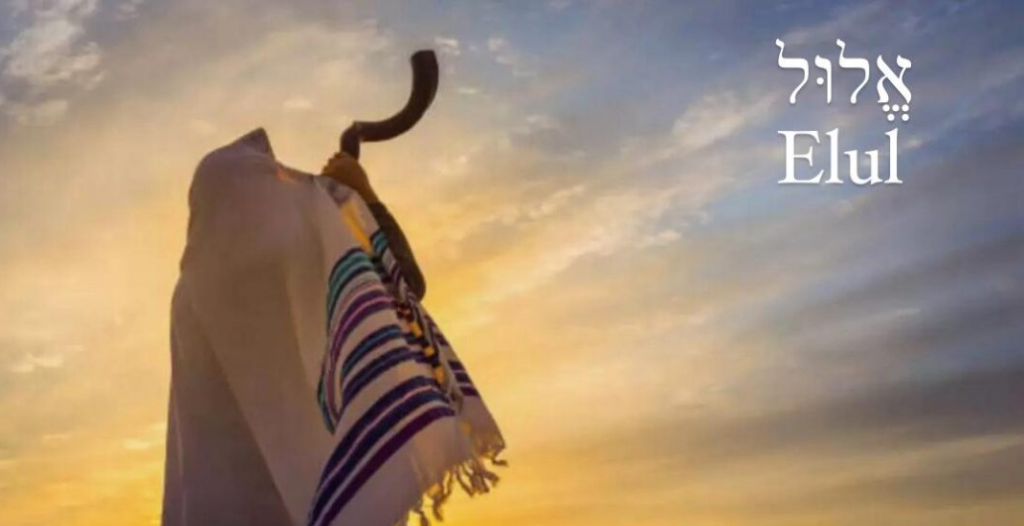
Just as some couples might mark a significant anniversary with a renewal of their wedding vows, we turn to God annually to renew our commitment to Him with deep sincerity and actions. Part of that reverence for God is also a commitment to repair relations between people. We cannot revere Him, and be thoughtless or insensitive to one another with impunity. During Elul, the shofar is sounded each morning as a vivid wake-up call, reminding us to awaken and prepare for the High Holidays of Rosh Hashanah – the New Year – and Yom Kippur – the Day of Repentance.
I wish you could hear the shofar outside my window each morning, from nearby synagogues and the balconies of people’s homes. It’s spiritually stirring and essential. Every day. It’s like a snooze button on an alarm clock that you can’t turn off, and shouldn’t want to.
This ancient rhythm of introspection and repentance speaks powerfully to us in many ways. Scripture calls us to examine ourselves, to repent, and to realign our lives with the purposes of God. In this season, we dig deep about not only what needs repair in our private lives, but also what faithfulness looks like toward one another personally, and toward God.
And yes, we can and should renew that at least annually. Through prayer, introspection, and action.

The interrelated theme of forgiveness also is actively present as we make a proactive commitment as part of the soul searching to assess who we might have harmed over the previous year, apologize, and seek their forgiveness. I am approached by Christian friends frequently to understand Jewish concepts. Recently forgiveness has been one of the more common themes. Forgiveness is a unique concept in Judaism and Christianity, yet Jews and Christians approach forgiveness differently. In Judaism, especially at this season, the obligation is to do a soul searching and ask for forgiveness. There’s a general notion that forgiveness is not to be dispensed like a product from a vending machine, but actively sought out with sincerity.
Three years ago, a rabbi friend shared with me words that have stayed with me since. “To ask for forgiveness involves a bit of embarrassment, a humbling of one’s ego, a recognition of the frailty of the human condition; so it pains us, but we do it, eventually. But this experience pales in comparison to the final level of forgiveness, bestowing it! Asking for forgiveness involves one set of character traits, using one’s ‘humility muscles’; giving forgiveness on the other hand involves a whole other area of human nature compassion, love, and respect.”
More succinctly, the simple truism “To err is human; to forgive, divine” is the rudder for this process this season. When there is a sincere plea for forgiveness, our response can be divine in nature, or it can be very human. It’s up to us.
Both traditions offer profound teachings on mercy, repentance, and reconciliation rooted in Torah, the Prophets, the Gospels, and centuries of interpretation. But many questions, nuances, and differences exist. How do Jewish concepts like teshuvah and divine pardon relate to Christian ideas of grace and atonement? How do we approach forgiveness from our respective traditions on an individual basis, and in relation to God? Where do the traditions converge, and where do they diverge in theology and in practice? As we enter the High Holiday season, on August 27 there will be a deep, honest, and thoughtful conversation on the Inspiration from Zion webinar series doing a deep dive into Jewish and Christian perspectives on forgiveness. Registration is free.
I look at this overall topic definitely from the perspective of creating understanding, but I also think these are the cornerstones of what make me a better Jew and human being. There are specific Jewish customs that make the idea of forgiveness universal which make the topic relevant to us all whether we are specifically mindful of these during this season, or anytime.
As an overall theme, ideas surrounding forgiveness come up a lot in my regular engagement with Christians. But this year there was one unsettling experience, a message I received from a Pastor I used to respect and with whom I had not been in touch for many years after he did something terrible to me, the ripple effect of which I still feel. Out of the blue he wrote, “There is so much I need to share with you including a long overdue apology for horrible act of selfishness from many years ago I have never forgotten that cruel act that I have to confess to you and seek your forgiveness.” Albeit without the details and context here, I will look forward to use this to illustrate the conversation, my response, and about which I will make myself vulnerable to open evaluation by the rabbi and pastor who will represent their respective traditions. Was his appeal to me sincere? Should I have forgiven him? Given him a hearing? I’m interested in what the rabbi and pastor have to say.
Elul reminds us that repentance is not only about regret for past shortcomings. It is about choosing a better direction for the future. Both on a personal level and vis a vis God, forgiveness and repentance must be cornerstones of doing so. One might ask more than rhetorically what might appear to be a chicken and egg question of which comes first, or in this case which is the foundation for the other: can there be repentance without forgiveness or forgiveness without repentance.
None of us are perfect and I stand as personal testimony to that. If I am being honest, I need to acknowledge my shortcomings interpersonally and to and in relation to God. If I am being honest, I should dub myself King of the Imperfect because this season is about me and my behaviors, not about or judging others.
The alarm clock is sounding. Sounding the shofar each day is a good literal and figurative wake up call for each of us. Let me give you one.
Whether in personal prayer and introspection, or part of an important interfaith dialogue to explore the parameters, if only once a year this is a good time to take personal accounting of one’s behaviors and even if we don’t come out of it perfect, at least not to make the same mistakes again in the coming year.
Leave a Reply